Body Shop & Paint
How Much Does It Cost to Paint a Car in Los Angeles? (2026)
Typical Los Angeles prices for car paint work, from a bumper scuff to a full repaint or color change. What drives the price, when insurance pays, and when a vinyl wrap makes more sense.
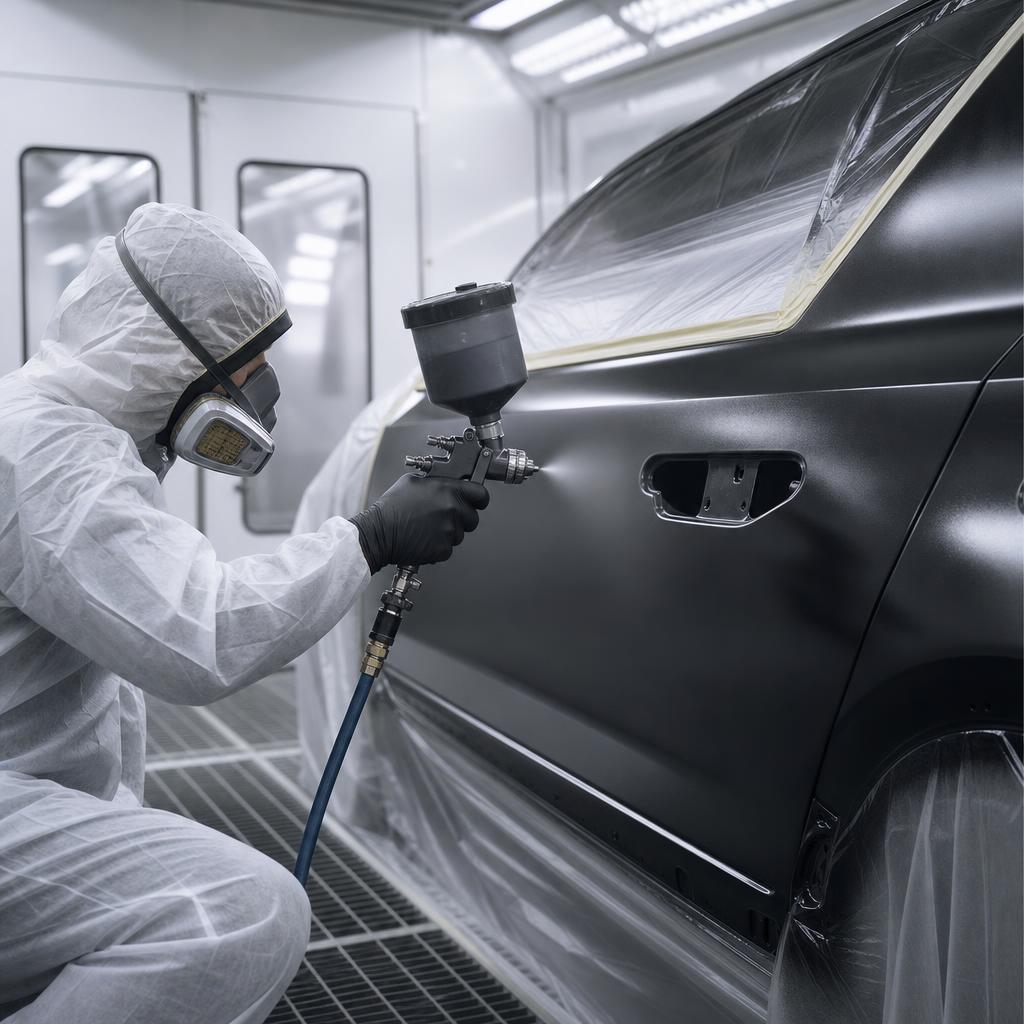
Most paint work in Los Angeles is priced by the panel, not by the car. A bumper scuff typically runs $150–$400, a single panel $300–$700, and two or three panels $800–$2,000 including blending. A full repaint is a different job with a much wider spread, from budget single-stage work to show-quality finishes that reach five figures. If the paint damage came from an accident, insurance usually pays for it. Here is what drives the price and how to read a paint quote.
Three Kinds of Paint Job, Three Kinds of Price
When people ask "how much to paint a car," they usually mean one of three very different jobs. Knowing which one you need is the first step to understanding a quote.
Spot and Panel Repair
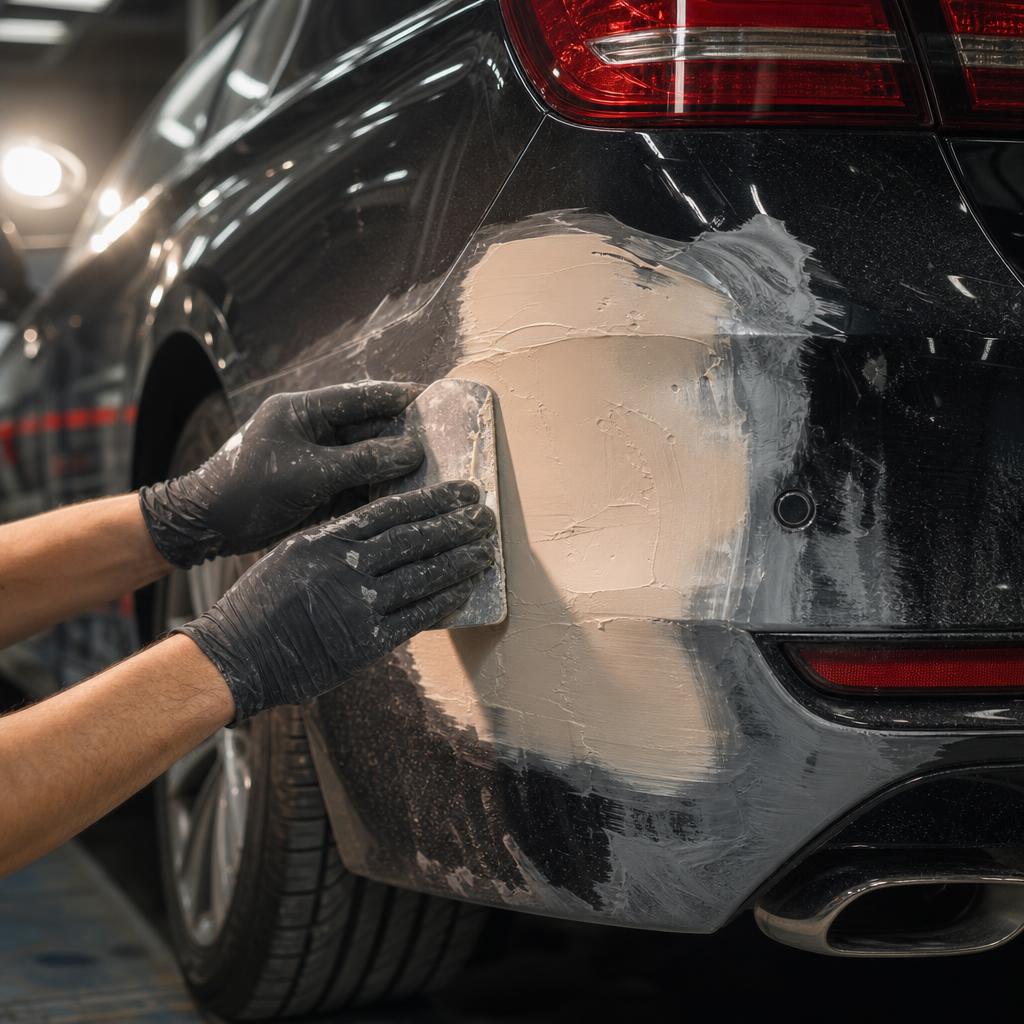
This is the most common paint job at a body shop: one to three panels refinished after a scrape, a keyed door, a parking-lot hit or a collision. The damaged area is repaired, painted to match your factory color, and blended into the neighboring panels so the repair is invisible. This is what our auto paint and scratch repair service does every day.
Full Repaint in the Same Color
Every painted surface on the outside of the car is sanded and refinished in its original color. This makes sense when the factory clear coat has failed across the whole car (peeling roof, faded hood and trunk), or when a classic or older car needs to be brought back. The quality, and the price, depends almost entirely on how much prep and disassembly is done.
Color Change
Changing the color is the most expensive version of a full repaint. To look right, the new color has to go into the door jambs, under the hood and trunk lid, and around every opening where the old color would otherwise show. That means more disassembly, more masking and more paint. If what you really want is a new look rather than a repair, read the section on vinyl wrap below first.
Typical Car Paint Prices in Los Angeles (2026)
Panel and Spot Paint Work
These ranges come from our collision repair cost guide for Los Angeles and cover paint work that is part of a repair:
- Bumper scratch or scuff (no replacement) — $150–$400. Color sanding, blending and paint matching.
- Single-panel paint repair — $300–$700 per panel. Prep, primer, color coat and clear coat.
- Multi-panel paint work (2–3 panels) — $800–$2,000 including blending into adjacent panels.
- Each additional blended panel — $150–$300.
Full Repaint: Typical Quotes You'll See
Full repaints vary too much to price without seeing the car. As a rough guide, these are the general tiers you will run into when shopping around the LA market. They are not Leti Auto Works' prices, and the exact figure for your car only comes from a written estimate after an inspection.
- Budget, single-stage — roughly $1,000–$2,500. Minimal prep, trim masked rather than removed, one-layer paint with color and gloss together. Looks fine from a distance when new, but tends to fade and lose gloss faster.
- Standard, base coat and clear coat — roughly $3,000–$7,500. Proper sanding, minor dent and rust repair, trim and lights removed, a factory-style base color under a separate clear coat.
- Show-quality — $10,000 and up. Extensive disassembly, multiple coats of clear, and hours of color sanding and polishing to a mirror finish.
A color change usually lands at the top of whichever tier you choose, because of the jambs and openings described above.
What Drives the Price of a Paint Job
Prep and Body Work
Paint is only as good as the surface underneath it, and prep is where most of the labor goes. Every panel has to be sanded, cleaned, primed and sealed, and any dents, rust or cracks have to be repaired first. A car with door dings, curb rash and a cracked bumper needs body work before a single drop of color is sprayed. This is also the main reason two quotes for the "same" paint job can be thousands of dollars apart: one includes proper prep and one does not.
Number of Panels
Each panel is its own unit of work and material. A bumper corner is a small job; a door, fender and quarter panel along one side is a much bigger one, even before blending is added.
Paint Type: Solid, Metallic, Pearl, Tri-Coat
Solid colors are the simplest to spray and match. Metallic paints contain aluminum flake, and the way that flake lies down changes how the color looks from different angles, so the painter has to control it carefully. Pearl and tri-coat colors often add a translucent mid-coat between the base and the clear, which means more material, more steps and more test panels to get the match right. Expect these colors to cost more at every tier.
Blending
Your car's paint code is only a starting point. Colors vary between production batches, and paint that has spent years in the Southern California sun has shifted. To hide the transition, the new color is blended into the neighboring panels, which is why a paint estimate often lists panels that were not damaged. At our shop we read the actual color on your car with a spectrophotometer and mix paint on a computerized system before blending.
Clear Coat Quality
Nearly all modern cars leave the factory with a base coat and a separate clear coat. The clear is what gives gloss and protects the color from UV. A cheap clear, or too thin a layer, is the usual reason a repaint fades, chalks or peels after a few summers. Ask what clear is being used and how many coats.
Labor Rate
Los Angeles body shop labor rates run $125–$175 per hour. Because paint work is labor-heavy, the hours on the estimate matter more than the hourly rate. A very low quote usually means fewer hours, and fewer hours usually means less prep.
Vinyl Wrap: The Alternative to a Color Change
If your paint is in decent shape and you want a different color, a vinyl wrap is often the better option. A wrap changes the color without sanding off the factory paint, protects the original finish underneath, can be removed later, and opens up finishes like matte and satin that are difficult to maintain in paint. A wrap is not a fix for damaged paint, though: dents, deep scratches and peeling clear coat should be repaired first, because vinyl shows every flaw underneath it.
When Insurance Pays for Paint (and When It Doesn't)
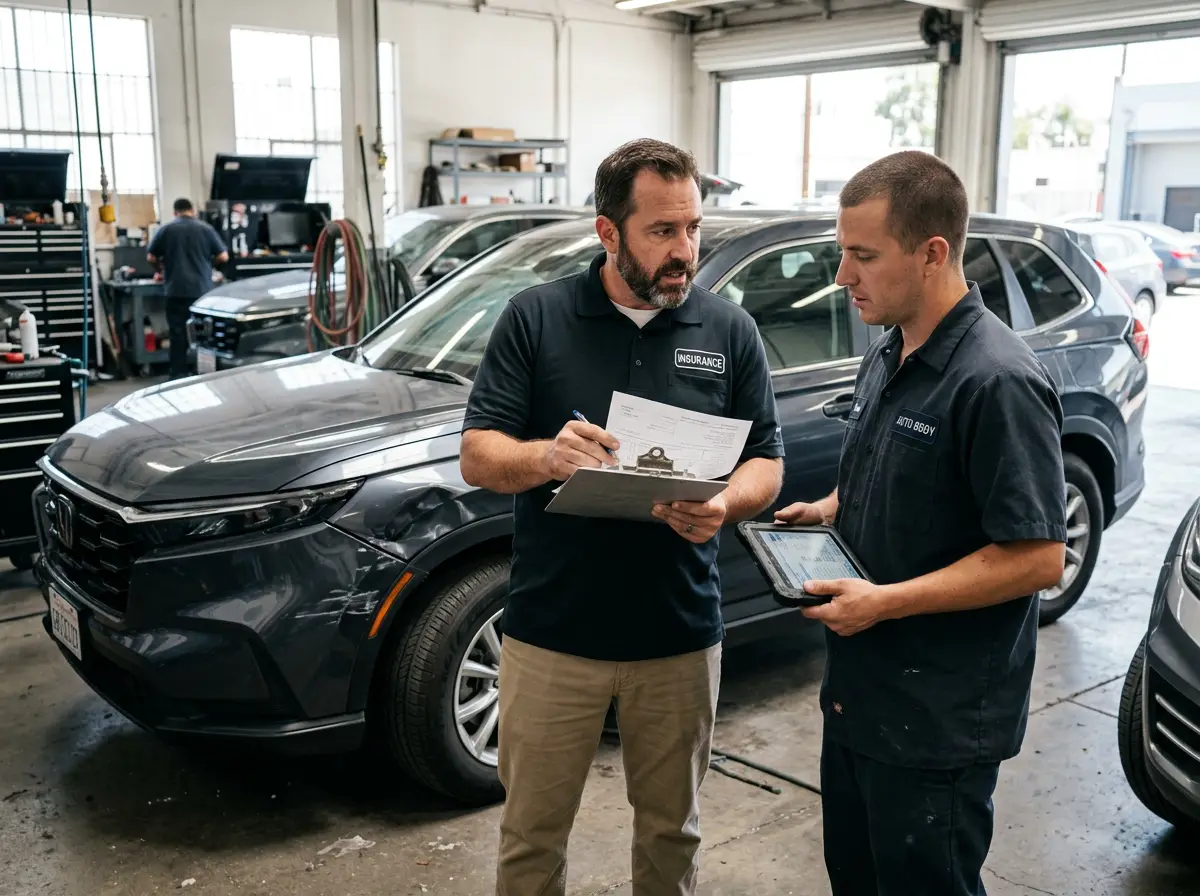
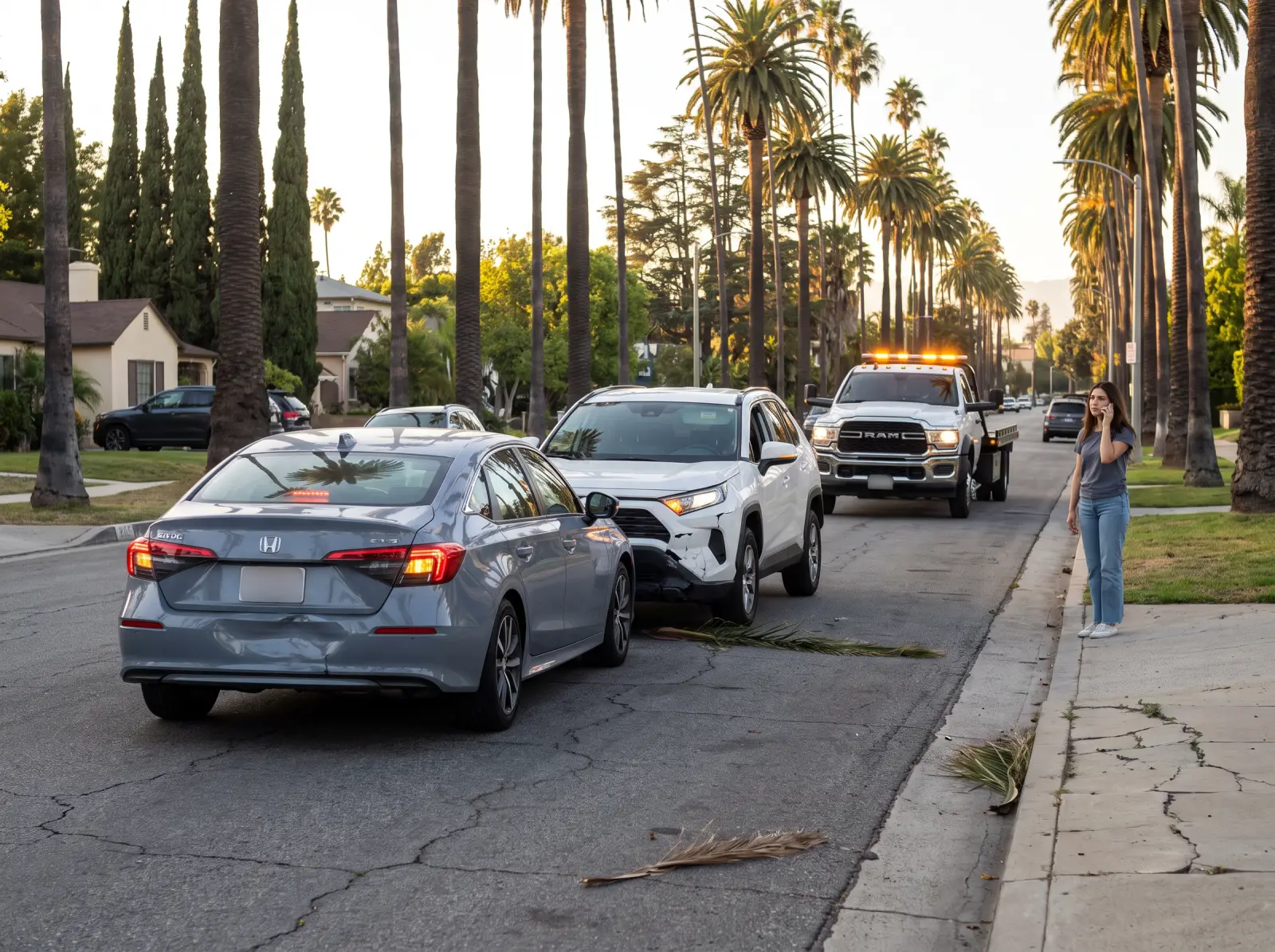
Accident damage. Paint and blending are part of the collision repair. If another driver caused the accident, their insurer pays and you owe no deductible. If you claim on your own collision coverage, you pay your deductible and the insurer pays the rest. Your insurer cannot require its own network shop (California Insurance Code §758.5), and at Leti Auto Works we handle the claim with any insurer, including adjuster meetings, photo documentation and supplements when hidden damage turns up.
Vandalism. A keyed door or spray-painted panel is usually a comprehensive claim, if you carry comprehensive coverage. Compare the repair cost to your deductible before filing.
Wear and age. Faded paint, peeling clear coat and sun damage are not accidents, so they are paid out of pocket. The same goes for a color change or a cosmetic full repaint.
How to Compare Paint Quotes
- Get a written, itemized estimate that lists each panel and each blended panel separately
- Ask whether the paint is single-stage or base coat and clear coat
- Ask whether trim, handles and lights are removed or just masked over
- For a color change, confirm the door jambs and openings are included
- Ask how the color is matched: paint code alone, or a reading taken from your car
- Get the warranty in writing and check what it covers (peeling, fading, color match)
Get a Written Paint Estimate in Downtown LA
Every paint quote at Leti Auto Works is a free, written, itemized estimate. Paint work done as part of a collision repair is covered by our lifetime warranty on collision repairs for as long as you own the vehicle, and after an accident we offer free 24/7 flatbed towing from the scene for collision repair clients. See how we work on our auto paint page, or call our 24/7 line at (213) 282-8201.