Accident & Insurance
Diminished Value Claims in California: How to Get Paid for Your Car's Lost Value
Your car is worth less after an accident, even after a proper repair. How diminished value claims work in California, who can file, how to prove the loss and which deadlines apply.
Diminished value is the money your car loses on the market because it now has an accident history, even after a proper repair. In California, if another driver caused the accident, you can claim that loss from the at-fault driver's insurance company. You generally can't claim it under your own policy, you have to prove the loss with evidence, and the legal deadline for property damage is generally three years, although you should start long before that. Here is how it works.
What Diminished Value Is
Picture two identical cars, same year, same mileage, same condition. One has an accident on its vehicle history report. Most buyers will pay less for that one, even if the repair was flawless. That gap is called inherent diminished value: the loss that exists simply because the car has been in an accident and repaired. It is the type of diminished value most claims are about.
There is a second kind, sometimes called repair-related diminished value: extra loss caused by a poor repair, such as mismatched paint, uneven panel gaps or non-OEM parts that don't fit right. Unlike inherent diminished value, that loss can often be reduced by fixing the repair itself, which is why repair quality matters so much (more on that below).
Who Can File a Diminished Value Claim in California
Third-Party Claims: Yes
California allows you to recover diminished value from the driver who caused the accident, which in practice means a claim against that driver's liability insurer. This is called a third-party claim, and it is separate from the claim that pays for your repair.
First-Party Claims: Generally No
If you file under your own collision coverage, standard California auto policies pay to repair the car, not to make up for lost market value. A first-party diminished value claim against your own insurer is generally not covered. That is one more reason to pursue the at-fault driver's insurer when the accident wasn't your fault.
When Fault Is Shared
California uses comparative fault. If you were partly responsible for the accident, the amount you can recover is generally reduced by your share of the fault.
When the Car Is Totaled
If the insurer declares your car a total loss, you are paid its value instead of having it repaired, so there is no repaired car left to lose value. Diminished value claims apply to cars that are repaired and kept.
How to Prove Diminished Value
The insurer will not pay a diminished value claim on your word. You need evidence that the loss is real and how big it is.
- An independent appraisal. A qualified appraiser compares what your car was worth before the accident with what it is worth now, repaired, with the accident on its record. This is usually the core of the claim.
- Complete repair records. The itemized estimate, every supplement, the final invoice, the parts list (OEM or not) and photos of the damage before and during repair. These show what was damaged and how it was fixed.
- A vehicle history report. A report showing the accident is the reason buyers pay less, so it is direct evidence of the loss.
- Proof of pre-accident condition. Maintenance records, mileage and photos help establish what the car was worth before the crash.
The "17c Formula" Is Not the Rule in California
Many insurers calculate diminished value with a method called the 17c formula. It came out of a Georgia case, and it starts by capping the loss at 10% of the car's value, then reduces that number further with damage and mileage multipliers. As a result it tends to produce low offers.
California law does not require the 17c formula. If an adjuster's offer is based on it, you are not bound by that number. An independent appraisal that looks at your actual car in the actual Los Angeles market is a stronger basis for negotiating.
Deadlines: Don't Wait Three Years
The statute of limitations for property damage in California is generally three years (Code of Civil Procedure §338). That is the deadline to file a lawsuit, not a recommended timeline. In practice you should start as soon as the repair is finished: photos and records are easiest to gather while they are fresh, the insurer's claim file is still open, and your car's market value shifts with time and mileage. Shorter deadlines can apply in some situations, for example when the at-fault vehicle belongs to a government agency, which is another reason to get legal advice early.
How Repair Quality Affects Diminished Value
A good repair does not erase inherent diminished value, but a bad one adds to it. An appraiser or buyer who finds a color mismatch, wavy panels or non-OEM parts will value the car lower still. A repair done with OEM parts, factory paint matching and full documentation keeps the loss to the inherent minimum and makes your claim more credible, because it shows the remaining loss is due to the accident history, not the workmanship.
How Your Body Shop Helps
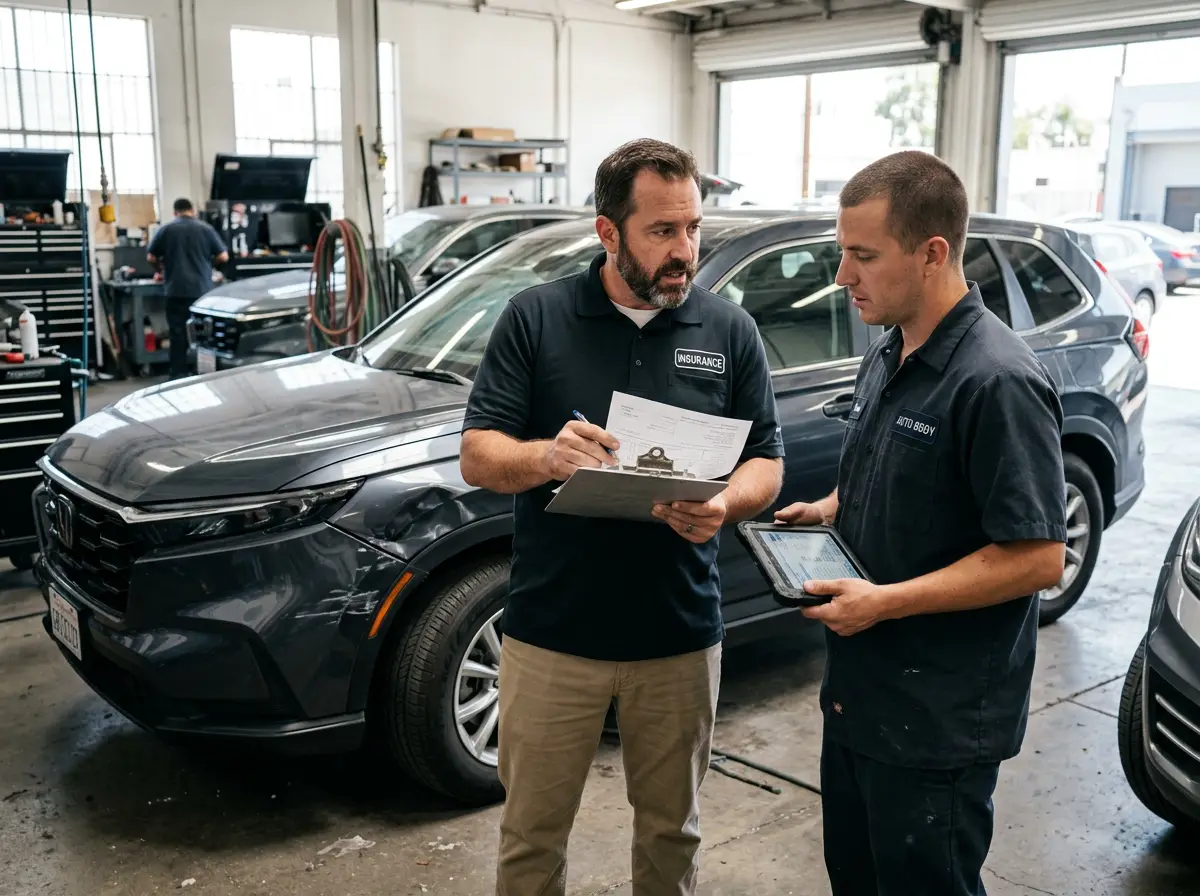
Most of the evidence in a diminished value claim is created at the body shop. At Leti Auto Works every collision repair comes with:
- A written, itemized estimate and every supplement submitted to the insurer
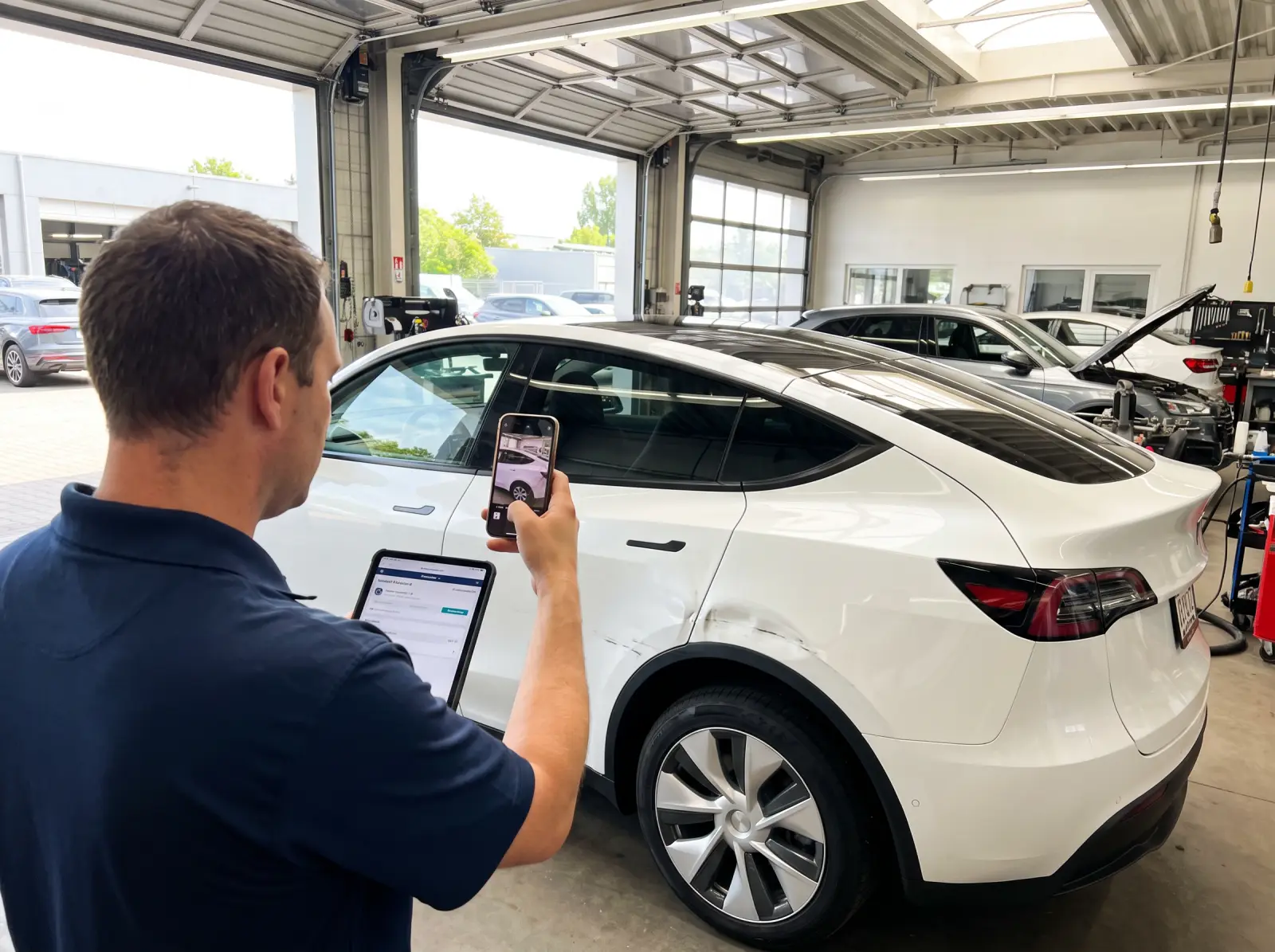
- Photo documentation of the damage, including hidden damage found once the car is taken apart
- OEM parts, listed on the final invoice, and spectrophotometer color matching
- A lifetime warranty on collision repairs for as long as you own the vehicle
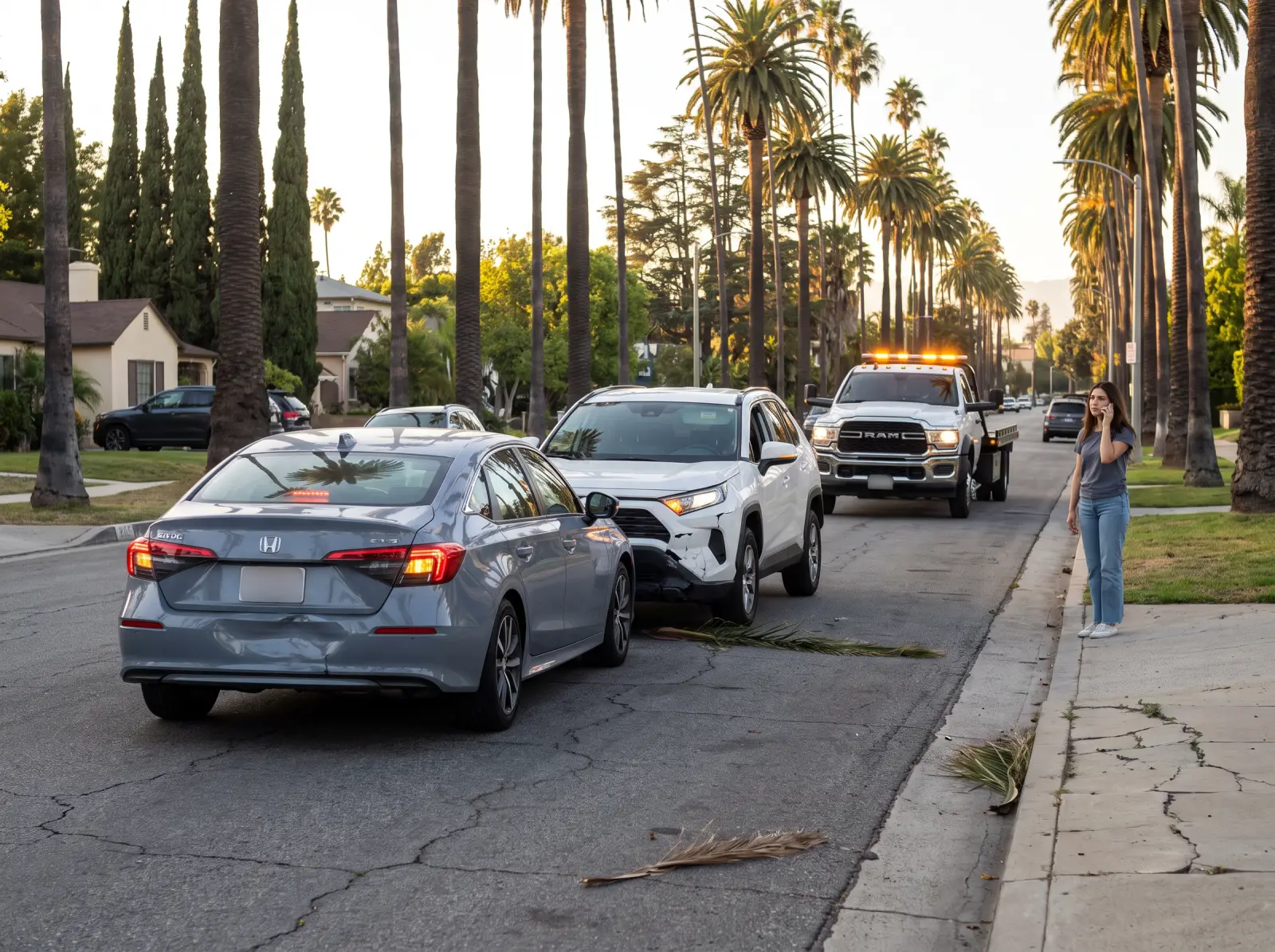
We also handle the repair claim itself with any insurer, including adjuster meetings and supplement negotiation, coordinate a rental car while yours is in the shop, and provide free 24/7 flatbed towing from the accident scene for collision repair clients. California Insurance Code §758.5 means the insurer cannot require you to use its own shop, so the car can stay with us from the tow to the finished repair. See how the process works on our insurance claims page.
Filing a Diminished Value Claim, Step by Step
- Open a claim with the at-fault driver's insurer and get the claim number. If you are still at the scene stage, start with our guide on what to do after a car accident in Los Angeles.
- Get the car repaired properly and collect the full repair file from your shop. Our guide to the insurance claim process in California covers this stage.
- Get an independent appraisal of the car's value before and after the accident.
- Send a written demand to the adjuster with the appraisal, repair records and history report attached.
- Negotiate. If the insurer refuses or offers a 17c-based number, respond with your evidence in writing. If you still can't agree, talk to an attorney about your options.
This Is Not Legal Advice
This article is general information about California diminished value claims, not legal advice. Every accident is different, and deadlines and rights depend on the facts. Consult a California attorney about your specific situation. If you need one, Leti Auto Works can refer you to an accident attorney with no upfront cost. Call our 24/7 line at (213) 282-8201 or visit our insurance claims page.