Body Shop & Paint
Paintless Dent Repair vs. Traditional Dent Repair: Which Does Your Car Need?
How paintless dent repair and traditional body work differ, which dents each one can fix, and what each costs in Los Angeles, plus repair time, resale value and insurance coverage.
If the paint is unbroken and the dent is soft and reachable, paintless dent repair (PDR) is usually the better choice: it is faster, typically costs $75–$300 per small dent in Los Angeles, and keeps your factory paint. If the paint is cracked, the metal is creased or stretched, the dent sits on a panel edge, or the part is a plastic bumper, you need traditional dent repair with body work and paint. Many accident repairs use both. Here is how to tell which one your car needs.
Quick Comparison
| Factor | Paintless Dent Repair | Traditional Dent Repair |
|---|---|---|
| Paint | Factory paint stays on the car | Area is primed, painted and blended |
| Filler | None | Thin layer where needed |
| Best for | Door dings, soft dents, hail | Creases, cracked paint, collision damage |
| Typical LA cost | $75–$300 per small dent | $300–$700 per panel, plus blending |
| Typical time | Small dents often same day | Usually 1–3 days per area |
How Paintless Dent Repair Works
PDR reshapes the metal without sanding, filler or paint. The technician gets behind the panel, through an inner panel opening, a trim panel or a light housing, and uses specialized steel rods to push the dent out in many small, controlled moves. When the back of the panel can't be reached, the dent is glue-pulled from the outside: tabs are bonded to the paint and pulled with a slide hammer or lifter, then the glue is released.
Throughout the job the technician watches the reflection of a striped light board on the panel. A dent bends those reflected lines; the repair is done when the lines run straight again. Because the factory paint is never broken, there is nothing to color-match and nothing to cure.
When PDR Works
- The paint is intact — no cracks, chips or flaking anywhere in the dent
- The dent is soft and rounded — not a sharp fold or crease
- The panel is accessible — the back can be reached with tools, or the dent can be glue-pulled
- Typical candidates — parking-lot door dings, shopping-cart and ball dents, hail damage, and shallow dents on the hood, roof, doors and fenders
When PDR Won't Work
- Cracked or chipped paint. Once the paint is broken, the area has to be refinished anyway, and pushing the metal can make the cracking worse.
- Sharp creases and stretched metal. A hard hit stretches the steel. Stretched metal has nowhere to go back to, so it has to be shrunk and shaped with body work.
- Panel edges and body lines. The metal is double-layered or folded along edges, which makes it very hard to move cleanly without disturbing the paint.
- Plastic bumper covers. PDR is a technique for metal panels. Plastic bumpers are heat-reshaped, plastic-welded or replaced, then painted; see our bumper repair page.
- Previously repaired areas. Dents in panels that already have filler or a thick repaint can crack when pushed.
How Traditional Dent Repair Works
Traditional dent repair is what most collision damage needs. The steps are:
- Pull and straighten. The panel is pulled, hammered and dollied back as close to its original shape as possible.
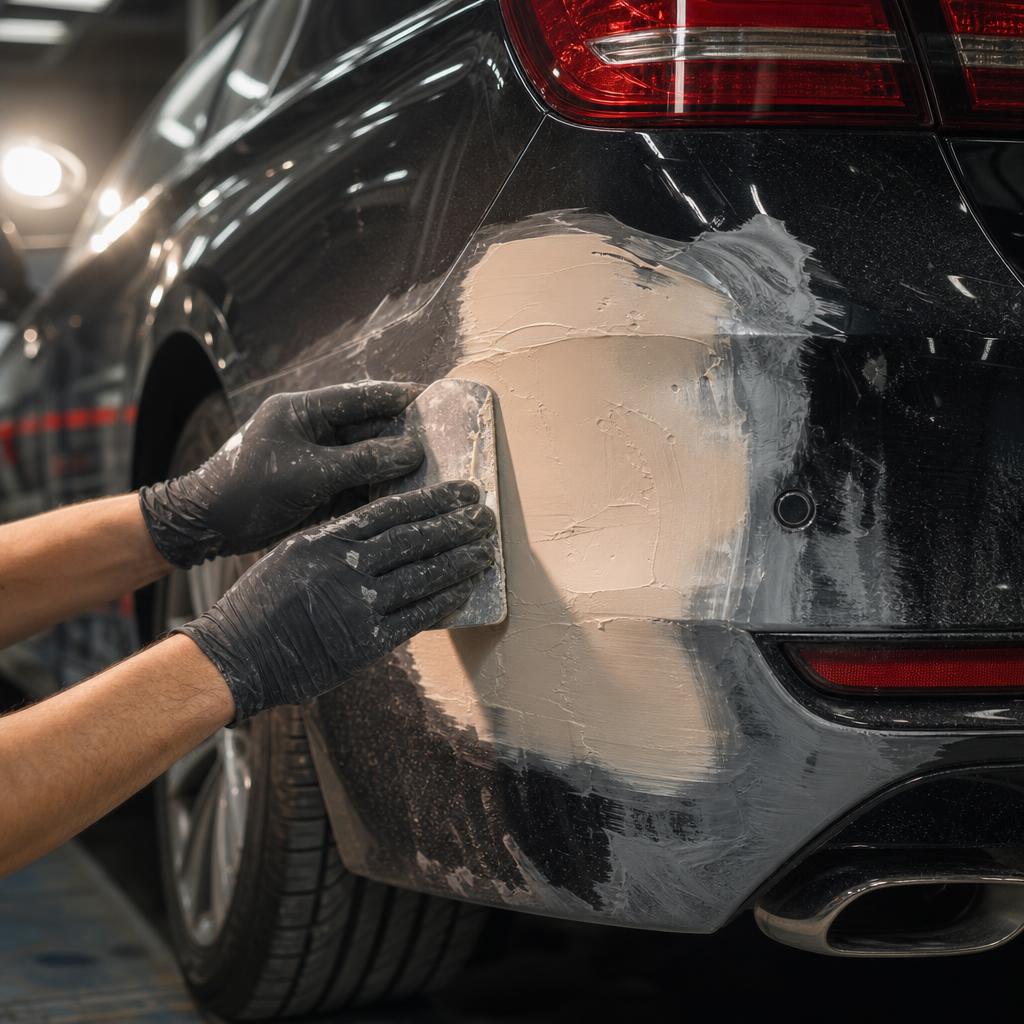
- Fill. A thin layer of body filler is applied only where needed to make the surface perfectly flat, then shaped and block-sanded.
- Prime. Primer and sealer go on so the new paint bonds properly and sanding marks don't show through.
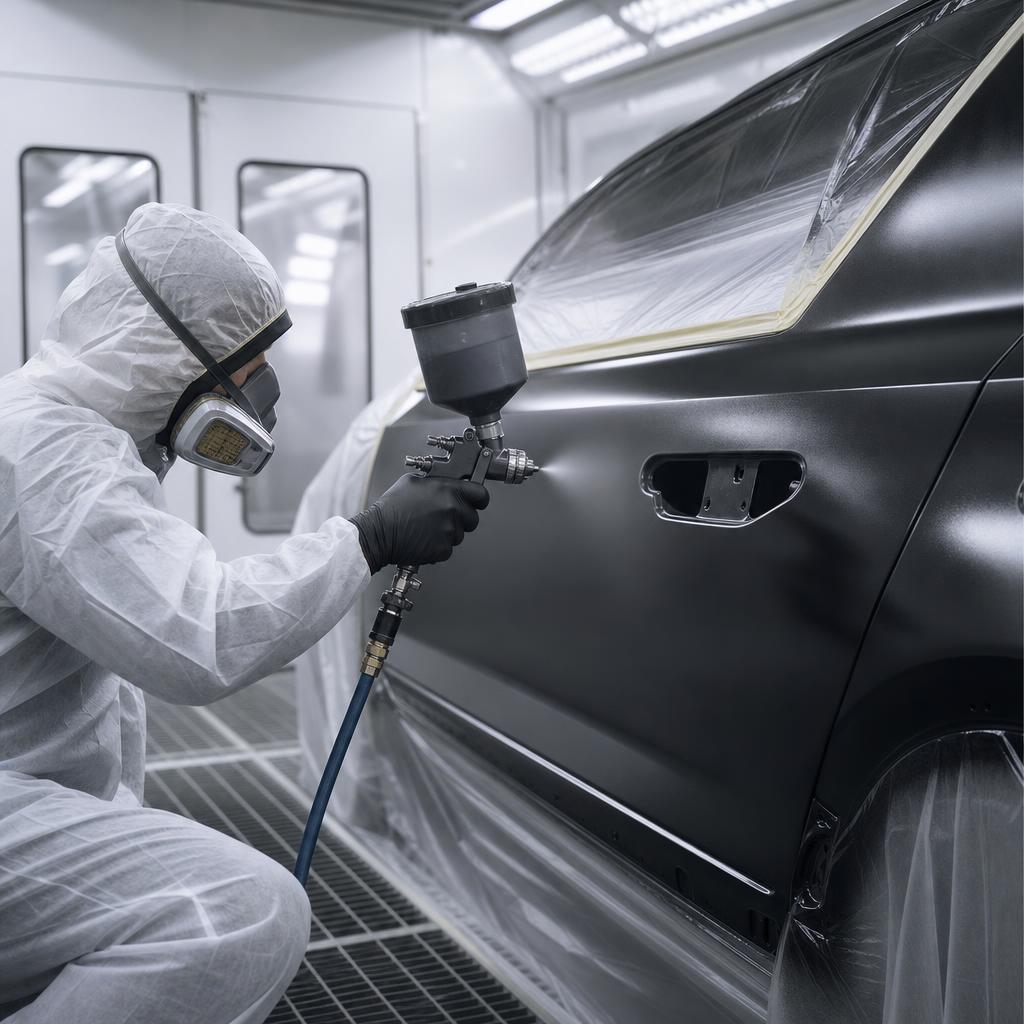
- Paint. The color is matched to your car, sprayed as a base coat and protected with clear coat.
- Blend. The new color is blended into the neighboring panels so there is no visible line between old and new paint.
If a panel is too damaged to straighten well, it is replaced, and at Leti Auto Works replacement parts are OEM. Paint is matched with a spectrophotometer reading taken from your car and mixed on a computerized system, which matters most on metallic, pearl and tri-coat colors. You can see how that last step works on our auto paint page.
Cost: PDR vs. Traditional Repair in Los Angeles
PDR is usually the cheapest way to fix a dent because there is no paint, filler or curing time. The typical Los Angeles market range is $75–$300 per small dent, depending on size, location and how hard the back of the panel is to reach.
Traditional repair costs more because it adds body work, materials and paint. Typical LA ranges from our collision repair cost guide:
- Single-panel paint repair — $300–$700 per panel
- Each blended adjacent panel — $150–$300
- Door repair or replacement — $500–$1,500, plus paint blending into adjacent panels
- Labor — LA body shop rates run $125–$175 per hour
Your exact price is in a free, written estimate. A good estimate says, dent by dent, whether PDR or traditional repair is recommended and why.
How Long Each Repair Takes
A few small dents fixed with PDR can often be done the same day. Traditional dent repair with paint usually takes one to three days per area, because primer, base coat and clear coat each need time to cure before the next step. Collision repairs involving several panels, replacement parts or structural work take longer, and we give you a written timeline with the estimate.
Resale Value and Original Paint
Factory paint is one of the things buyers, dealers and lease inspectors look at. Many of them use paint-thickness gauges, which show where a panel has been refinished. PDR leaves the original finish untouched, so there is nothing to find. That makes it the first choice for leased cars and for anyone planning to sell soon.
That said, PDR is not worth forcing on a dent that doesn't qualify. A dent that needs body work but gets "pushed" anyway can leave a wavy panel or cracked paint, which hurts value more than a properly done, documented refinish. A correct traditional repair with an accurate color match and blending is invisible to the eye.
Does Insurance Cover Dent Repair?
Accident damage. If another driver caused the dent, their insurer pays for the repair, PDR or traditional. If you claim on your own collision coverage, you pay your deductible and the insurer pays the rest. Insurers generally accept PDR where it is suitable, because it is usually the less expensive repair.
Hail. Hail damage is typically a comprehensive claim, and PDR is the standard repair for hail dents when the paint is intact.
A single door ding. Often costs less than your deductible, so paying out of pocket usually makes more sense than filing a claim.
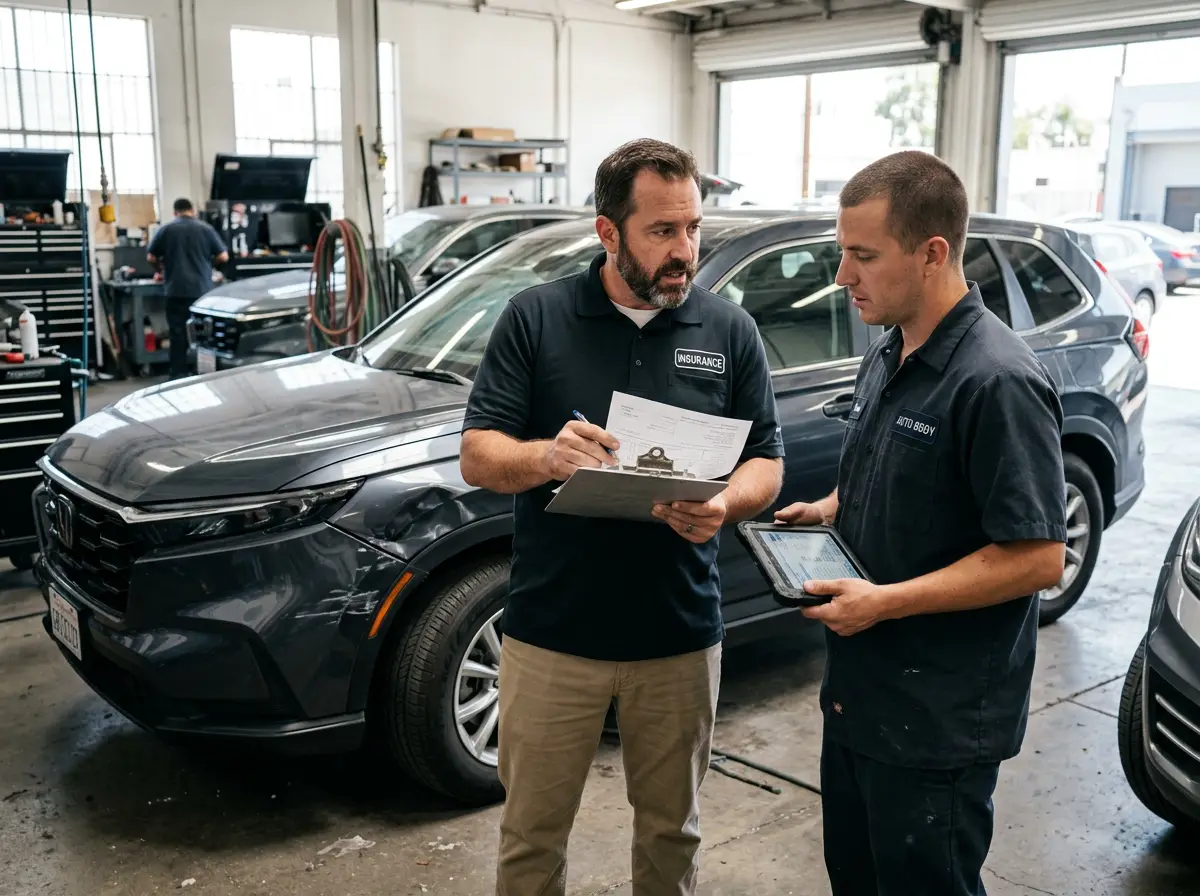
Your insurer cannot require its own network shop (California Insurance Code §758.5), so the repair can be done here. When you file, we handle the claim with your insurer, meet the adjuster, and photograph any hidden damage we find once panels come off so the supplement is approved.
Which One Does Your Car Need?
A quick self-check: look at the dent at an angle under good light. If your reflection runs smoothly into it and the paint has no cracks, PDR is probably possible. If you see cracks, a sharp crease, or the dent is on a bumper or panel edge, plan for traditional repair. After an accident, expect a mix of both.
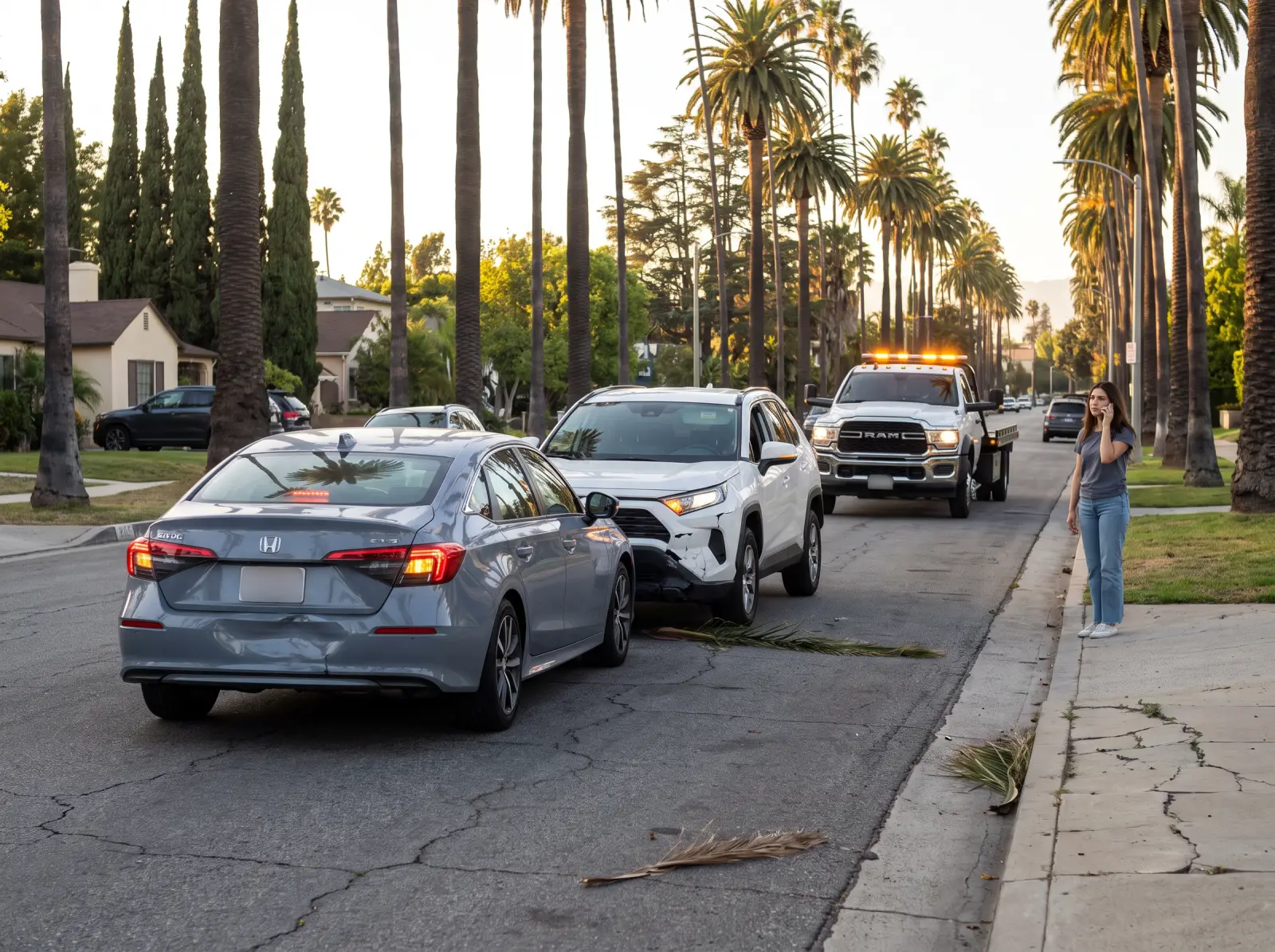
The fastest way to know for sure is a free inspection at our dent repair shop at 794 Merchant St in the Arts District. If the dent came from a collision, our collision repair team handles the whole job, with free 24/7 flatbed towing from the accident scene for collision repair clients and a lifetime warranty on collision repairs for as long as you own the vehicle. Call our 24/7 line at (213) 282-8201.