Paint Protection
PPF vs Ceramic Coating vs Vinyl Wrap: Complete Comparison for LA Drivers (2026)
Not sure whether to get PPF, ceramic coating, or vinyl wrap? This side-by-side comparison covers protection level, cost, lifespan, and which LA drivers need which option.
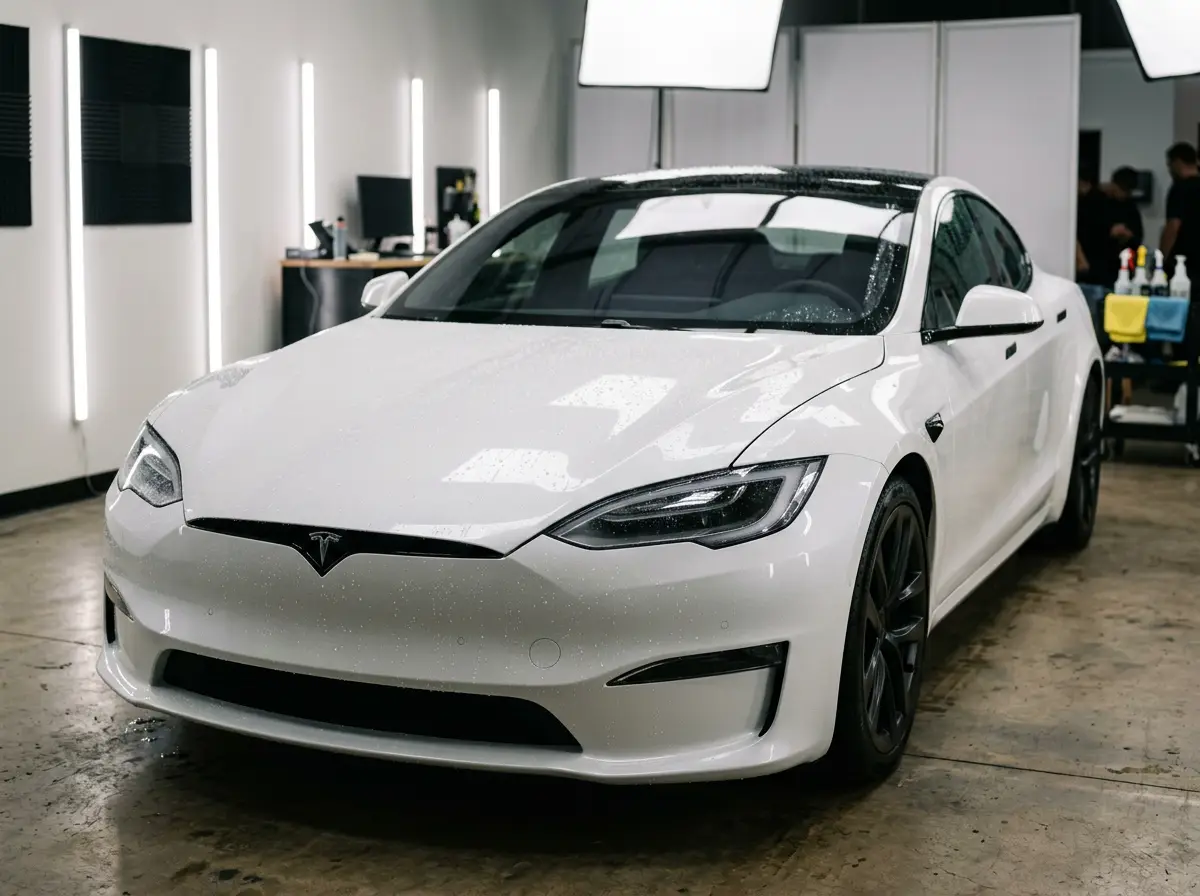
Short answer: PPF for physical protection against chips and scratches, ceramic coating for hydrophobic gloss and UV defense, vinyl wrap for color change and style — or combine all three for maximum effect. Here's the complete comparison to help you decide what's right for your vehicle and budget.
Quick Comparison at a Glance
| Feature | PPF | Ceramic Coating | Vinyl Wrap |
|---|---|---|---|
| Rock chip protection | ★★★★★ | ★☆☆☆☆ | ★★☆☆☆ |
| UV protection | ★★★★★ | ★★★★☆ | ★★★☆☆ |
| Gloss / appearance | ★★★★☆ | ★★★★★ | ★★★★☆ |
| Color change | No | No | ★★★★★ |
| Hydrophobic (water repel) | ★★★☆☆ | ★★★★★ | ★★☆☆☆ |
| Self-healing | Yes | No | No |
| Removable | Yes | Partial | Yes |
| Lifespan | 5–10 years | 2–7 years | 5–7 years |
| Starting cost (full vehicle) | $4,500+ | $800+ | $2,500+ |
Paint Protection Film (PPF): The Physical Shield
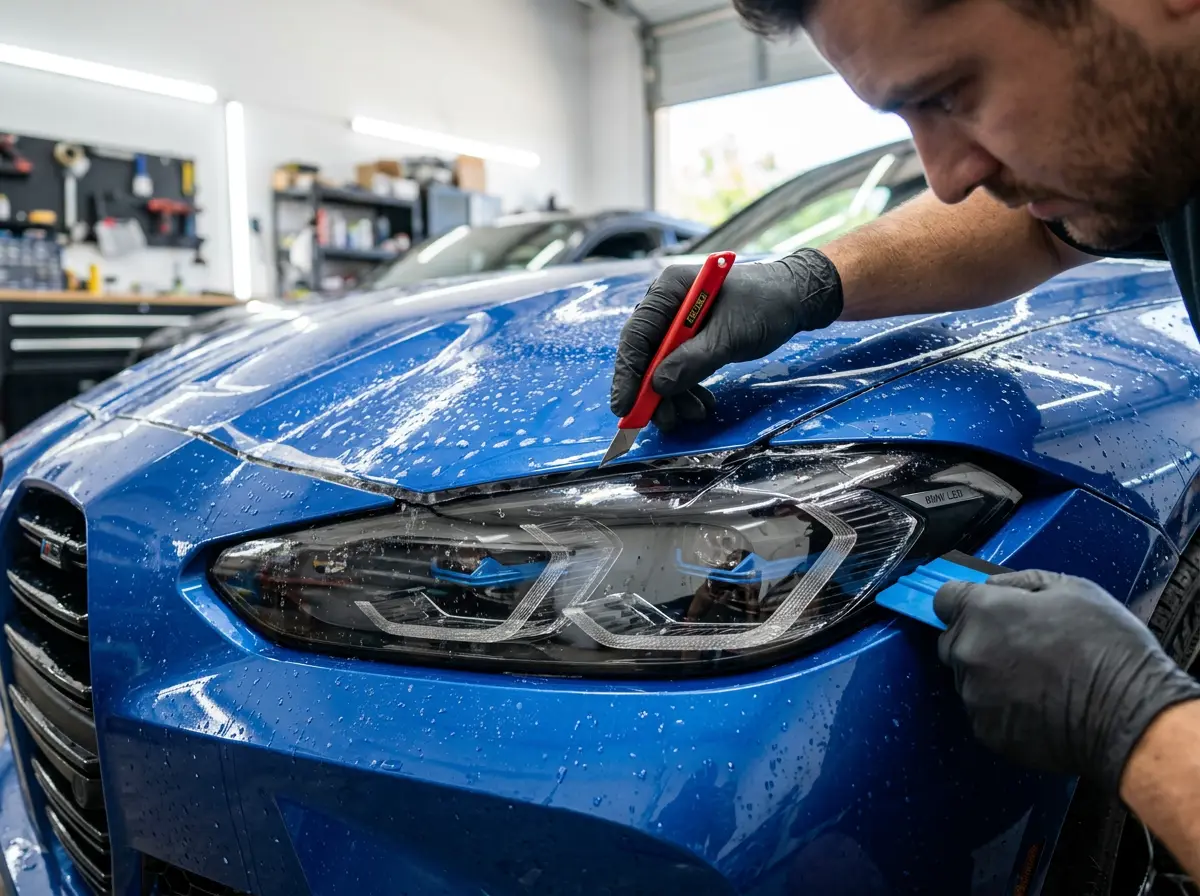
PPF is a clear urethane film — typically 6–8 mils thick — that bonds to your paint and acts as a physical barrier against rock chips, scratches, bug splatter, and road debris. The most advanced films from XPEL, SunTek, and 3M feature self-healing technology: heat from the sun causes light scratches to disappear within minutes.
When PPF is the right choice:
- You drive frequently on LA freeways with high rock chip exposure
- You own a high-value vehicle (luxury, exotic, or collectible)
- You want protection that physically prevents paint damage
- You drive on PCH, canyon roads, or construction zones regularly
- You're buying a new vehicle and want to protect it from day one
LA-specific consideration: The 405, 10, and 101 freeways are notorious for truck traffic and road debris. Front-end PPF coverage (hood, fenders, bumper, mirrors) starting at $1,500 is one of the best investments for LA drivers.
Ceramic Coating: The Hydrophobic Armor
Ceramic coating is a liquid polymer that chemically bonds to paint, creating a permanent protective layer with 9H hardness, extreme hydrophobic properties, and UV resistance. It doesn't prevent rock chips, but it makes your car dramatically easier to clean, resists chemical stains, and keeps paint looking showroom-fresh for years.
Premium coatings like Gtechniq Crystal Serum Ultra and Ceramic Pro 9H provide 7–9 years of protection with annual maintenance checks. Professional installation at Leti Auto Works includes full paint decontamination, clay bar treatment, and paint correction before application.
When ceramic coating is the right choice:
- You want low-maintenance, easy-clean paint for years
- You live near the coast (Santa Monica, Venice, Malibu) and need salt air protection
- You want maximum gloss without a color change
- You have a leased vehicle and need a reversible option
- Your budget is under $2,000
Vinyl Wrap: Color, Style, and Paint Protection
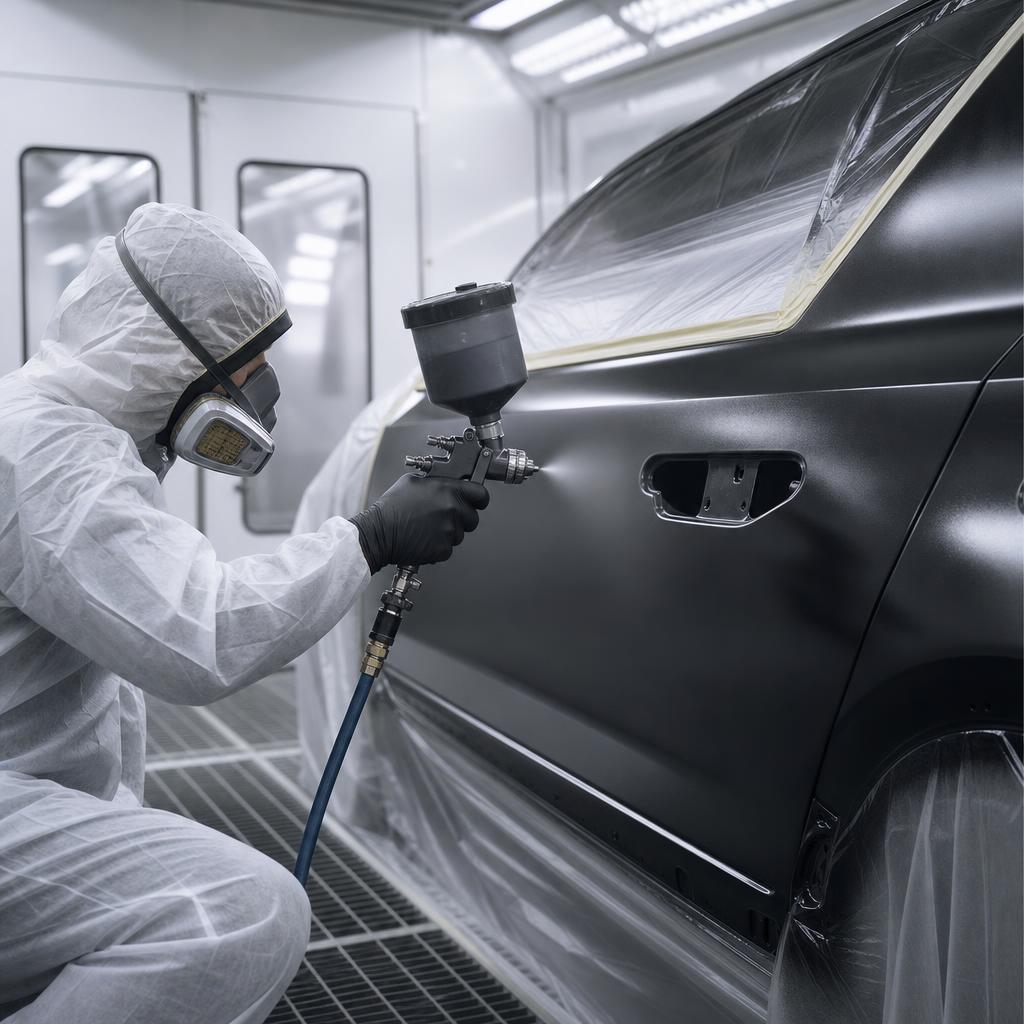
Vinyl wrap transforms your vehicle's appearance with thousands of color and finish options — matte, satin, gloss, color-shift, chrome, carbon fiber texture. Premium films from 3M, Avery Dennison, and Hexis last 5–7 years and, when applied correctly, actually protect your factory paint during that time.
Full-vehicle wraps start at $2,500 for compact cars and go up to $6,000+ for large SUVs and specialty finishes. Partial wraps (roof, hood, mirrors, accents) start at $200. Visit our Vinyl Wrap page for pricing and finish options.
When vinyl wrap is the right choice:
- You want to change your car's color without a permanent paint job
- You want a unique finish (matte, satin, chrome) not available in factory paint
- You want to protect factory paint for resale while personalizing the car
- You have a lease and want a color change you can remove at turn-in
- You want branding or custom graphics on your vehicle
The Best Combination for LA Drivers
Many LA drivers opt for all three in a layered approach: PPF on the front end (highest rock chip exposure), vinyl wrap for color change (if desired), and ceramic coating over everything for easy cleaning and UV protection. This three-layer approach gives you maximum protection, aesthetics, and ease of maintenance.
A practical combination for everyday LA drivers: full-front PPF ($1,500) + ceramic coating on the rest of the car ($1,200–$2,000) = approximately $2,700–$3,500 total. This is significantly less than a full PPF installation ($4,500+) while providing excellent protection where it matters most.
Ready to protect your vehicle? Contact Leti Auto Works for a free consultation — we'll assess your driving patterns and budget and recommend the right combination.